 how-to
Portland Home Valuation Discovery: A Step-by-Step Process
Last Updated: November 4, 2026
Quick Summary
A home valuation is an opinion of what your property is worth based on its size, condition, and recent sales nearby. Prepare by gathering what an appraiser or agent will ask for and fixing small, visible issues first, since the prep work you do shapes the final number.
- A licensed appraiser inspects and measures the property, compares recent sales, and reports to the lender.
- Online tools give a fast number but cannot see your kitchen remodel or tree canopy.
- An automated valuation model relies on public records that may lag behind your actual improvements.
- A comparative market analysis is not tied to a lender's underwriting rules.
- Pricing above the CMA range can leave a home sitting and selling for less.
Table of Contents
- How to Prepare for a Home Valuation
- The Portland Home Appraisal Process and Finding the Most Accurate Property Value Estimator
- Comparative Market Analysis for Sellers: Turning Valuation Into a Pricing Strategy
- Frequently Asked Questions
How to Prepare for a Home Valuation
A home valuation is an opinion of what your property is worth, based on its size, condition, and recent sales nearby. The prep work you do before anyone walks through your door shapes the final number, so this guide walks through each stage, from the first walkthrough to a pricing strategy you can act on.
Before the visit, gather what an appraiser or agent will ask for:
Fix small, visible issues first. A sticking door or a stained ceiling reads as deferred maintenance, even when the cause is minor.
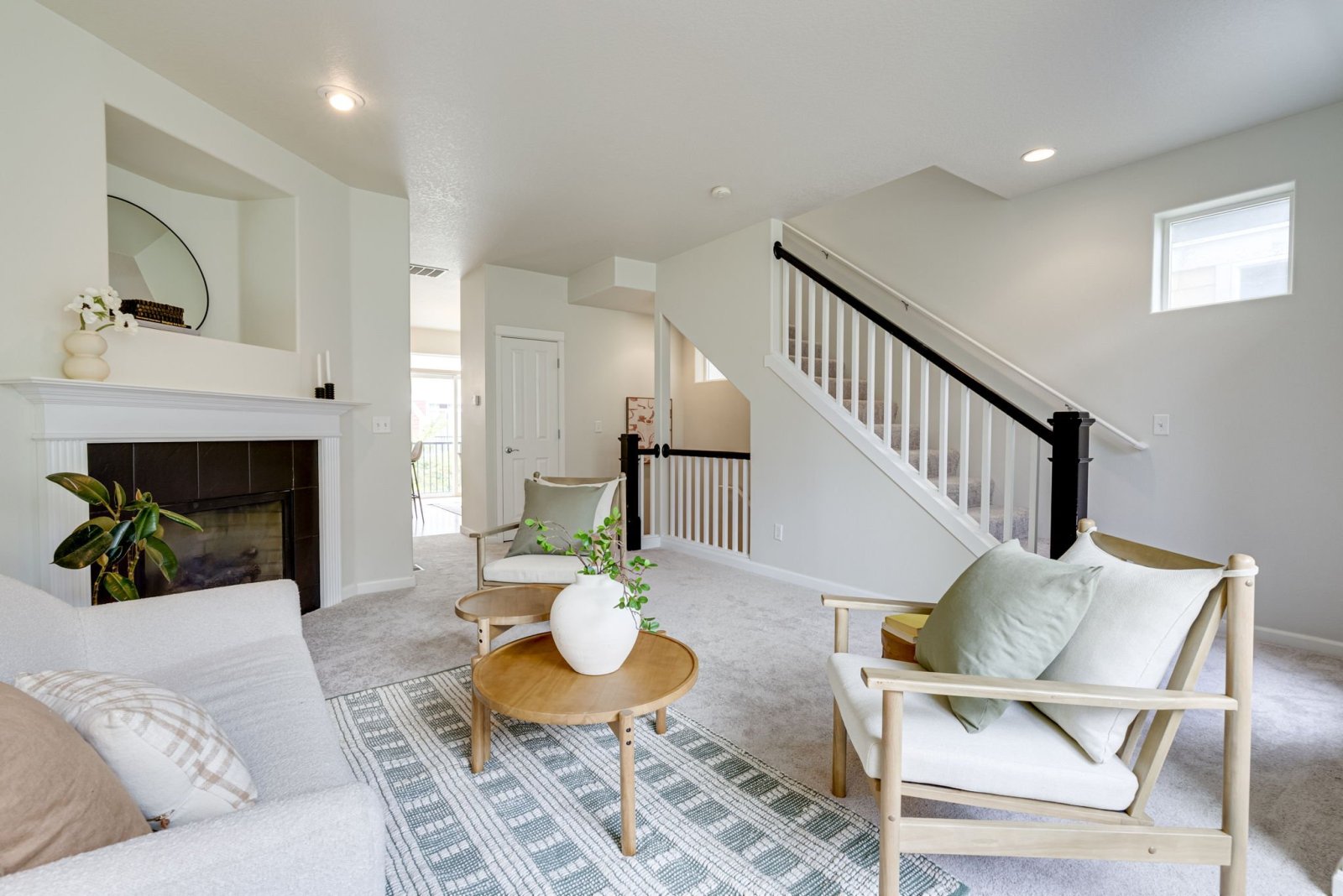
Living room painted and staged per my recommendation to enhance the home value and decrease time on the market.
If you want a starting point, find out what your home may be worth with an instant estimate, then get a personalized valuation and selling plan.
The Portland Home Appraisal Process and Finding the Most Accurate Property Value Estimator
A licensed appraiser inspects and measures the property, compares it to recent sales, and delivers a report to the lender. Online tools give a fast number but cannot see your kitchen remodel or the tree canopy on your street.
The most accurate property value estimator combines three things:
An automated valuation model is useful for a rough range, nothing more. It relies on public records that may lag behind your actual improvements. For a fuller picture of how this works with a local agent, see our real estate guidance.
The article lays out what each valuation method can and cannot do.
Method | What it does | Key limitation |
|---|---|---|
Licensed appraiser | Inspects and measures, compares recent sales, reports to lender | Tied to lender's underwriting rules |
Online tool | Gives a fast number | Cannot see your kitchen remodel or tree canopy |
Automated valuation model | Useful for a rough range | Relies on public records that may lag improvements |
Comparative market analysis | Agent reviews recent comparable sales to set a listing price | Not tied to a lender's underwriting rules |
Comparative Market Analysis for Sellers: Turning Valuation Into a Pricing Strategy
A comparative market analysis is a review of recent comparable sales that an agent prepares to set a listing price (Consumer Guide: What Goes Into Pricing Your Home). Unlike an appraisal, it is not tied to a lender's underwriting rules.
A CMA should account for:
Set your listing price from that analysis, not from what you hope to net. An appraisal contingency can reopen the valuation question later, so build in a buffer.
Pricing above the CMA range can leave a home sitting, and a stale listing often sells for less than a realistic launch price would have.
When you are ready to turn your valuation into a pricing plan, schedule a seller consultation to review your goals and next steps.
Frequently Asked Questions
What is the difference between a home valuation and an appraisal?
A home valuation is a broad estimate of market value, often done by a real estate agent using a comparative market analysis of recent comparable sales. An appraisal is a formal, licensed opinion of value required by lenders, documented in an appraisal report and used by the underwriter. Valuations guide pricing decisions; appraisals satisfy financing requirements. Sellers benefit from both: a valuation sets the listing price, while an appraisal confirms it for the buyer's loan.
How accurate are online home value estimators?
Online tools rely on automated valuation models built from public records, square footage, and recent sales, so they can miss condition, renovations, lot size, and neighborhood amenities. They work as a rough starting point, not a final number. The most accurate property value estimator combines those automated figures with a walkthrough and local market trends, which is why an agent-led valuation or comparative market analysis usually lands closer to the appraised value.
What information should I prepare for a home valuation?
Gather recent home improvements and receipts, a list of major systems replaced (roof, HVAC, water heater), your property tax records, and any permits for additions or ADUs. Note your lot size and square footage, and flag zoning regulations that affect buildable space. Having this ready helps your agent or licensed appraiser account for upgrades that comparable sales data alone would miss, and it speeds up the appraisal report.
What doesn't the home value match the recommended list price?
Home value and list price are two different things. The value is what someone is willing to pay for it at any given time. I use recent market data to determine your home's value. List price is a marketing strategy. I recommend a list price based on the home's value, market trends, and your stated goals.
Pricing a home well takes more than a quick online estimate. Think Mel offers home valuation discovery, a seller listing concierge package, and project management for pre-sale improvements, so the prep work and the pricing plan move together. Get started with Think Mel and walk into your sale with a clear, defensible number.
